


Queensland developers rethink housing as affordability reshapes the Australian dream

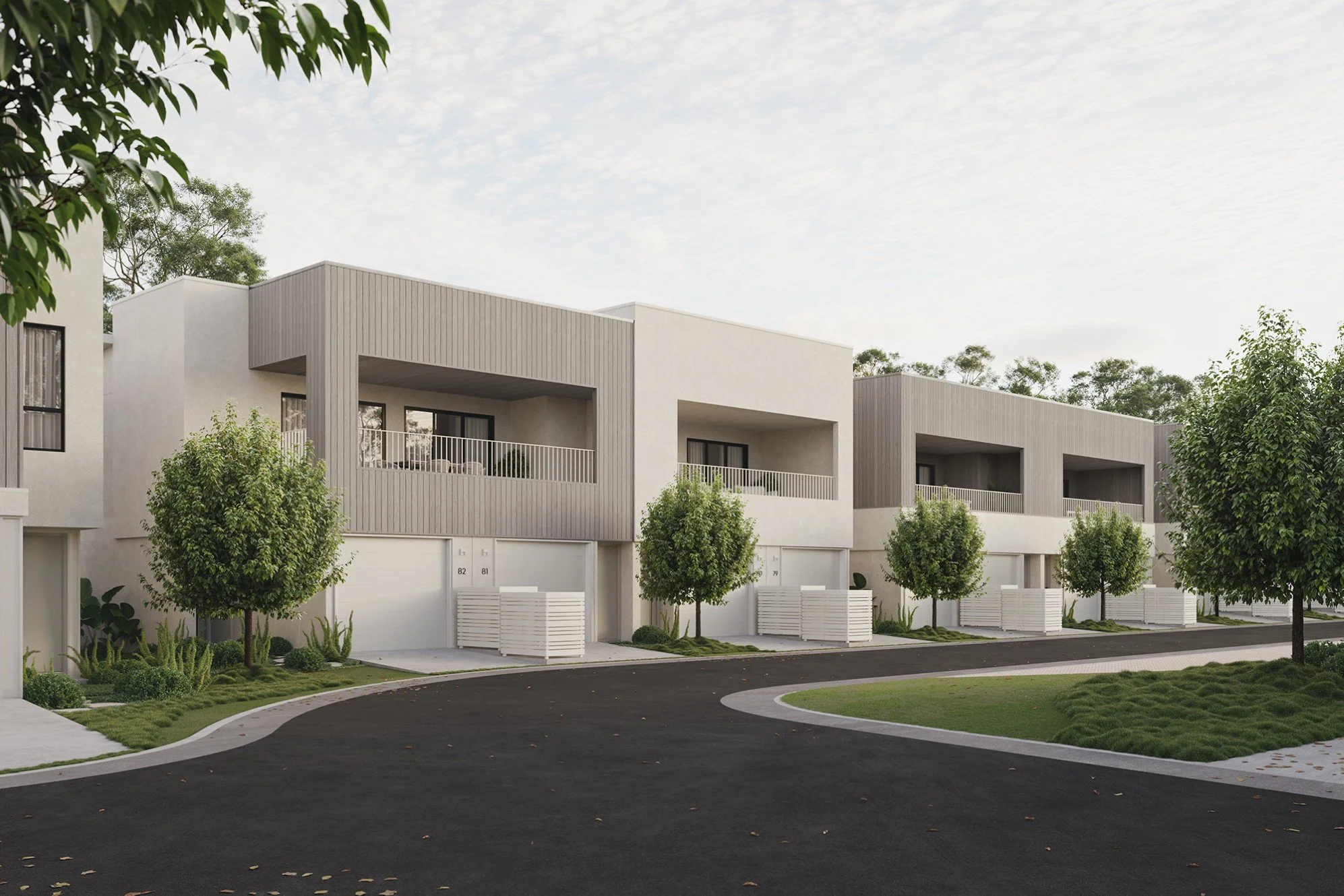
BRISBANE, QUEENSLAND: As housing affordability continues to reshape the Australian property market, three Queensland developers are taking a different approach - rethinking what a home can look like and creating new housing formats designed around the realities of modern households.
Azure Group, Sherpa Group and Pikos Group are each introducing unconventional residential products that challenge the traditional divide between houses and apartments, while responding to growing demand for smaller, more adaptable and more attainable homes.
From one-bedroom terrace homes starting from circa $700,000 to purpose-built apartments reserved for local first home buyers and a proposed two-bedroom residence split across separate levels, the three developments demonstrate how innovation in design and product configuration can expand housing choice and address the current market challenges.
Together, they point to a broader evolution in the Queensland property market: homes no longer need to conform to the traditional three-bedroom house or standard apartment model to provide privacy, independence, flexibility and a genuine sense of home.
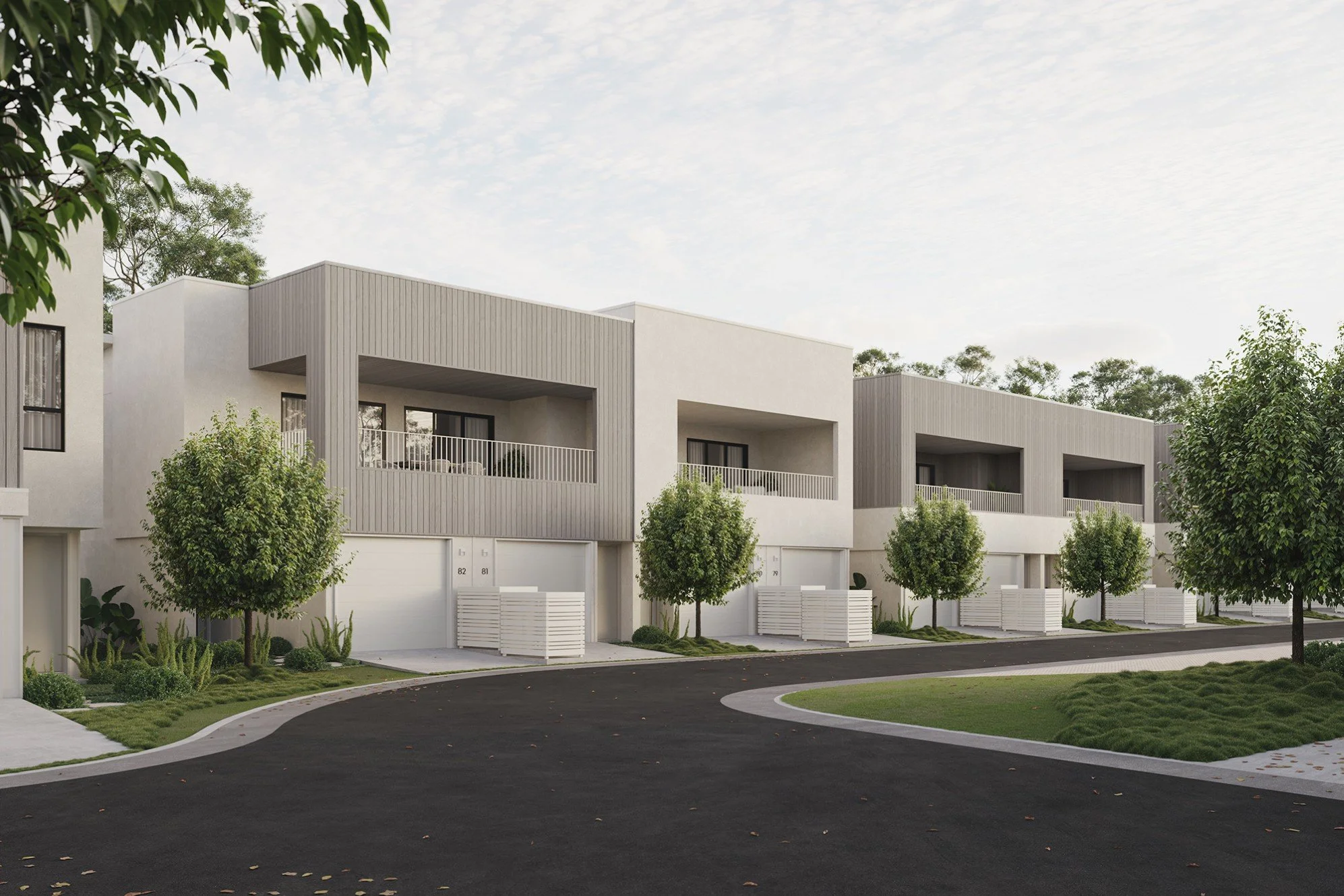
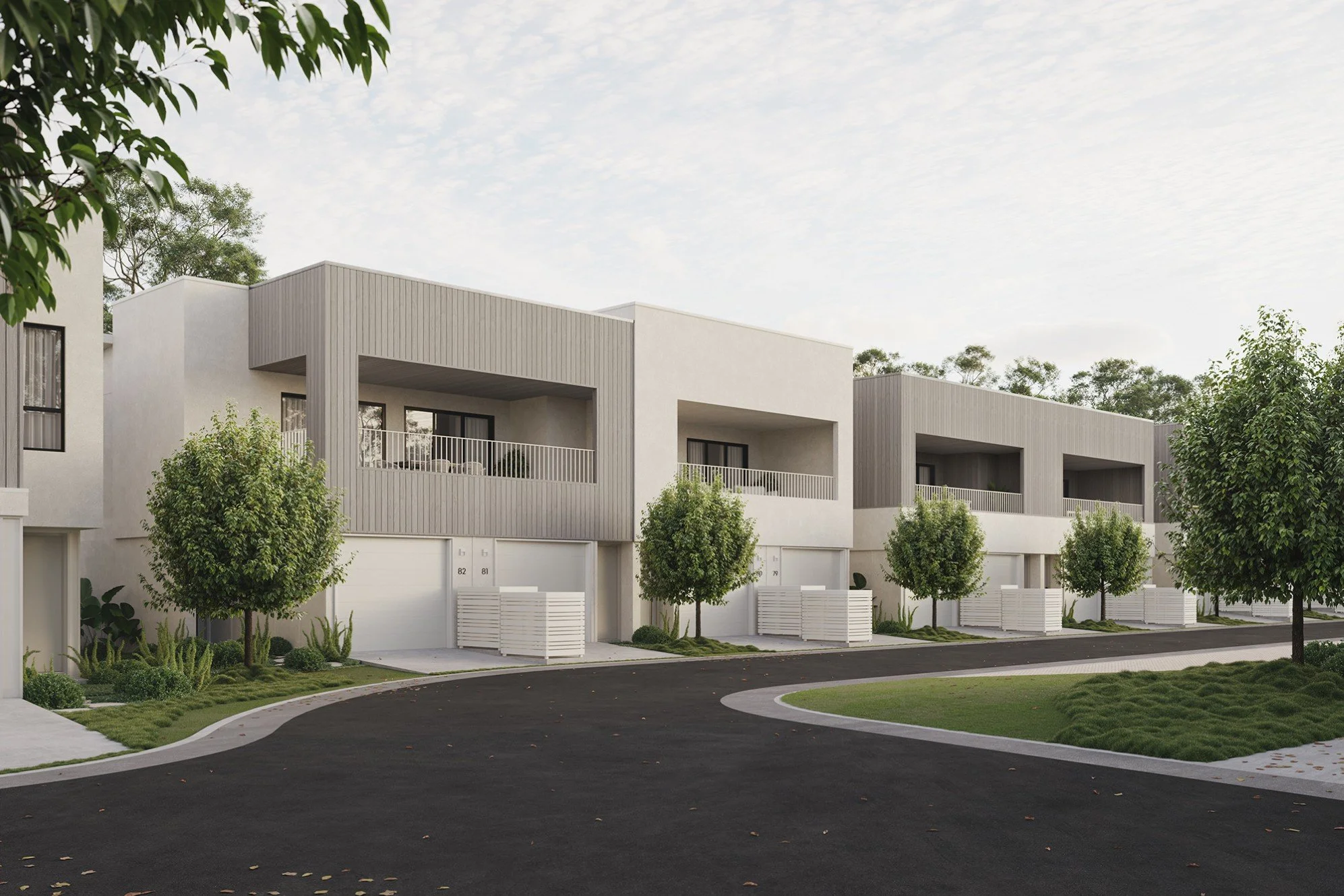
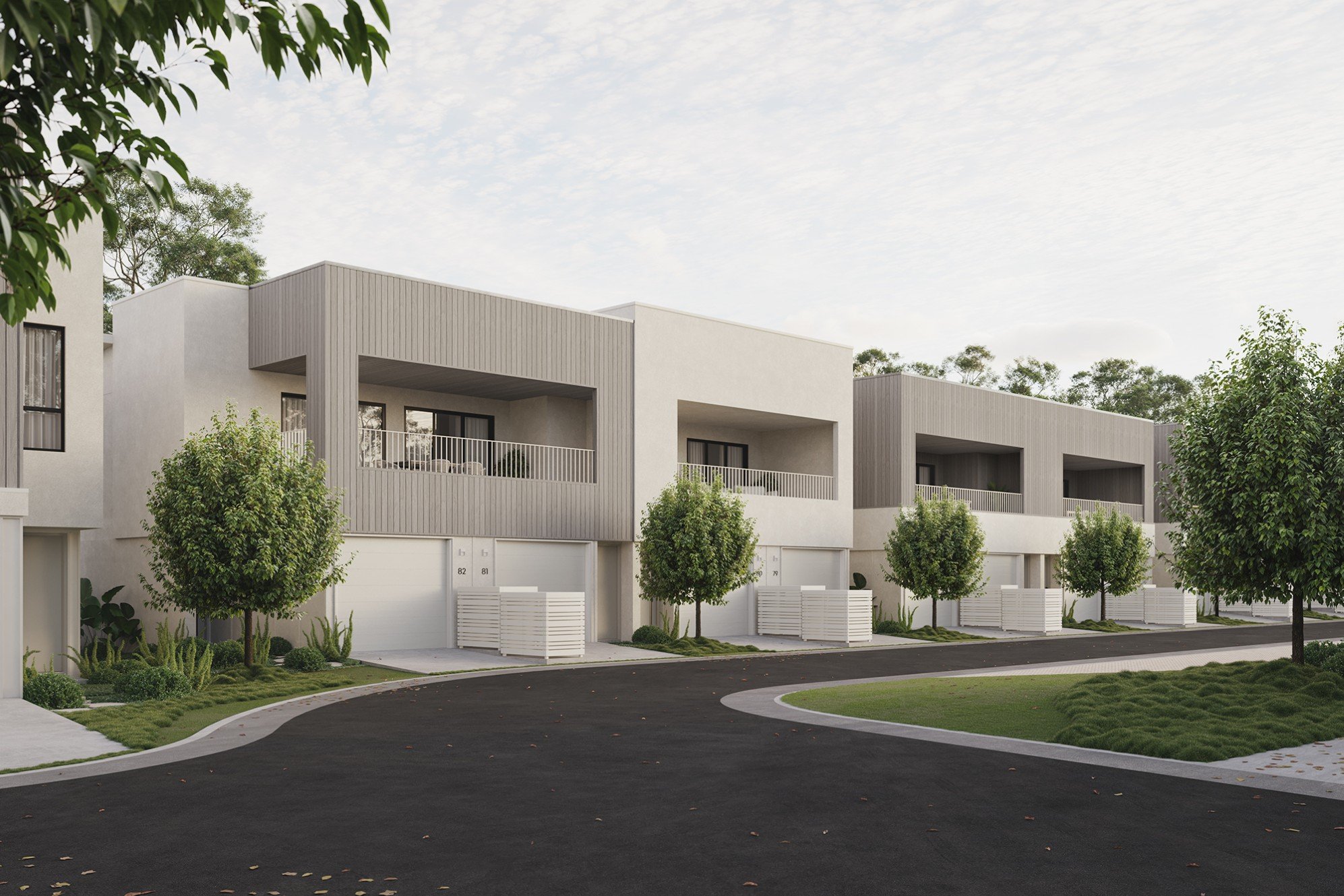
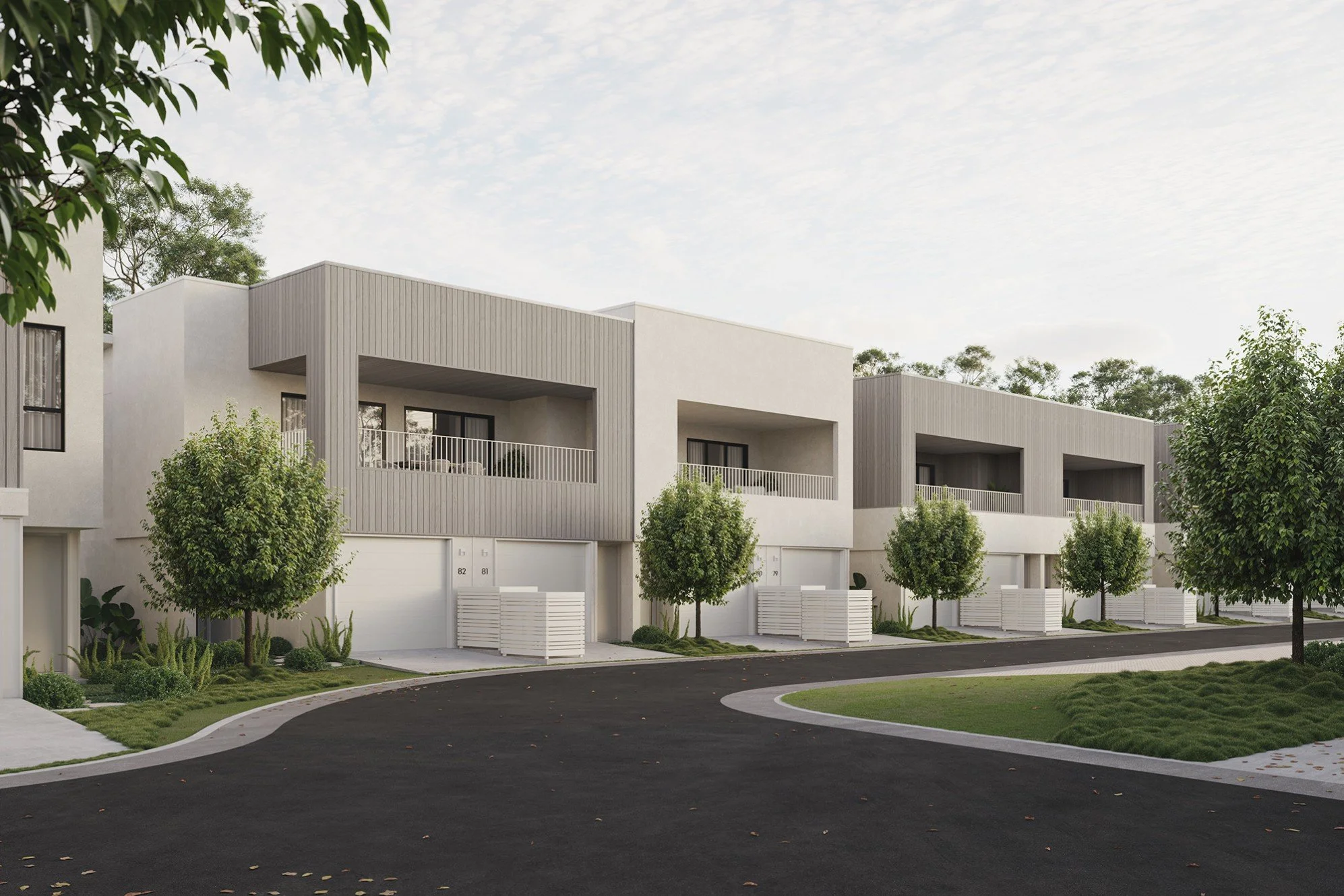
For Azure Group, a company with a development pipeline of $2.5 billion across Southeast Queensland, the focus is on creating a new category of housing that combines the efficiency and accessibility of living with the privacy and individuality traditionally associated with a terrace home.
The group's one-bedroom terrace homes, being introduced across selected projects from around $700,000, are designed to provide a more attainable entry point for first home buyers while also offering an alternative investment product in established rental markets.
“The concept recognises that affordability is not simply about building smaller homes,” says Azure Founder and CEO Trent Keirnan. “ It is about creating different forms of housing that make better use of land while giving buyers the qualities they value in a traditional home.
“We have introduced one bedroom terrace homes into some of our product to create a different price point for homebuyers and investors that currently does not exist.”
At Palm Beach on the Gold Coast, Sherpa Group has demonstrated the depth of demand for this approach.
The first home buyer allocation at its $550 million Flourish Soleira development has officially sold out, with all 27 apartments priced below $1 million secured by first home buyers. Twenty-five of those purchasers are from Palm Beach or surrounding suburbs, and all buyers will be owner-occupiers under the project's purchasing requirements.
The project is deliberately designed as a multi-generational community, with a broad mix of floorplans aimed at younger buyers, downsizers and families.
Sherpa Group founder Christie Leet said the response demonstrated the unmet demand for housing designed with younger buyers in mind.
“We started this project with a very deliberate intention to create opportunities for first home buyers,” Mr Leet said.
“In markets like Palm Beach, younger buyers are often completely priced out, so to see all 27 apartments secured so quickly proves there is enormous unmet demand for this type of housing.”
The development also includes two-bedroom, one-bathroom apartments - a configuration Mr Leet said was unusual in new premium apartment developments but provided younger buyers with a more affordable pathway into the market.
Meanwhile, Pikos is taking flexibility a step further with its proposed Pied-à-Terre product at its $850 million upcoming Newstead development.
The concept comprises a two-bedroom residence divided across two separate levels, sold together on a single lot and title, with a combined net sellable area of approximately 95 square metres.
Unlike a traditional dual-key apartment, the two components do not have to share a common wall or even be located on the same floor. They can be positioned on separate levels within the building, creating a new form of residential configuration designed around flexibility rather than convention.
The model could provide greater choice for households seeking adaptable living arrangements, including families, professionals, downsizers and multi-generational households, while also creating potential for income-generating flexibility.
Building and community management will be retained by Pikos+, the management arm of Pikos, providing continuity between development, building management and long-term community stewardship.
While the three products are distinctly different, they share a common philosophy: the housing market is changing, and the product needs to change with it.
For decades, Australia's housing landscape has largely been shaped around a limited number of formats – the detached family home, the townhouse or the conventional apartment. But household structures, budgets and expectations have evolved, creating demand for homes that can accommodate different generations, life stages and financial circumstances.
The emerging generation of Queensland housing innovation is beginning to respond.
“For younger Australians, smaller and more intelligently configured homes can provide a pathway into locations that might otherwise be out of reach,” says Mr Keirnan.
“For downsizers, they can offer independence without sacrificing amenity. For families, flexible configurations can provide greater separation and privacy. And for multi-generational households, adaptable homes can create the possibility of living close to family while maintaining a degree of independence.”